The Beetroot Upgrade! What Happens to Your Body When You Eat Beets, According to Doctors
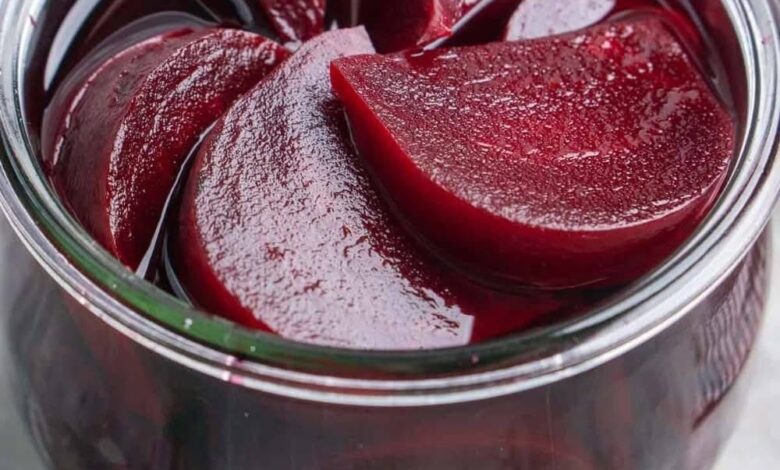
Beets have a reputation for being a “superfood,” but the truth is simpler and more impressive than hype. They don’t promise miracles, but when you eat them consistently, your body reacts in real, measurable ways. Within a few hours, compounds inside beets begin shifting how your blood vessels behave, how your muscles use oxygen, and how efficiently your cells communicate. That deep red root doesn’t whisper wellness—it quietly rewires parts of your physiology.
The most researched benefit comes from beets’ natural nitrates. These compounds aren’t exotic or rare; they’re simple molecules that the body converts into nitric oxide, a gas that helps blood vessels relax. When blood vessels widen, blood moves more freely, pressure eases, and the heart doesn’t have to push as hard. This is why many people feel a subtle sense of calm or warmth after a beet-heavy meal. Athletes use this effect strategically—better blood flow means more oxygen reaching working muscles, and that can translate to a noticeable improvement in endurance. The same mechanism can support older adults, not as a cure or reversal of aging, but by helping maintain healthy circulation, which is essential for concentration, memory, and sustained energy.
The benefits don’t end with circulation. Beets deliver fiber that feeds the good bacteria in your gut, supporting digestion and helping regulate blood sugar. Gut bacteria thrive when they are consistently supplied with plant fibers, and beets offer a mix that slows glucose absorption and keeps meals from hitting the bloodstream too quickly. This makes them a strong addition to meals where balanced energy matters. A diet filled with plants like beets creates a ripple effect—steady digestion, sustained energy, and less strain on insulin responses.
Their pigments add another layer of support. The deep red color comes from betalains, compounds with antioxidant and anti-inflammatory properties. Inflammation isn’t always dramatic; sometimes it’s a slow, dull background process linked to stress, aging, or diet. Betalains help lower some of that baseline strain by neutralizing oxidative stress. They don’t “detox” the body in the trendy sense, but they aid the liver by reducing the workload created by everyday metabolic processes. When inflammation is lower, the entire system runs more smoothly—cells repair more efficiently, tissues handle stress better, and long-term health becomes a little easier to maintain.
Beets also supply essential micronutrients: folate for cell repair and brain health, potassium for nerve and muscle function, manganese for metabolic regulation, and iron to help transport oxygen through the blood. None of these nutrients are unique to beets, but their combination in a single food makes them unusually nutrient-dense. People often underestimate how much small, consistent choices—like adding beets to a few meals each week—can improve the body’s baseline resilience.
Still, it’s important to be realistic. Beets support health; they don’t cure diseases, erase fat, fight cancer, or deliver dramatic transformations. They’re not magic—they’re just food. Beet juice can spike blood sugar in some people, especially if consumed without the fiber that slows absorption. Their nitrates are helpful in moderation but not a replacement for medical treatment. What beets offer is nourishment, not miracles.
Some people react differently to them. Their pigments can tint urine or stool red, a harmless but sometimes startling effect called beeturia. People prone to kidney stones or who need to manage oxalate intake should be mindful of portion sizes, since beets are moderately high in oxalates. And because beets can temporarily lower blood pressure, those taking blood pressure medication should be aware of the potential additive effect. For most people, though, beets fit comfortably into a balanced diet without issue.
The real advantage of beets isn’t a one-time cleanse or a short-term challenge. It’s the long game—choosing nutrient-rich, minimally processed foods day after day. Health isn’t built on dramatic detoxes or superfood fads; it’s the quiet consistency of eating real vegetables, real grains, real proteins. Beets belong in that category: simple ingredients that make the body’s work easier. Roasted, blended, grated, steamed, or juiced, they slot effortlessly into everyday meals. Add them to salads for sweetness, mix them into soups for depth, or pair them with citrus and herbs for a clean, energizing dish.
When people talk about foods that make a lasting difference, they usually mean foods like this—foods that support cardiovascular health without demanding strict rules, foods that support digestion without complicated rituals, foods that provide micronutrients that are hard to obtain from processed diets. A single serving won’t overhaul your health, but regular servings will influence how your body ages, recovers, and responds to stress.
What’s striking is how quietly beets work. There is no dramatic jolt of energy, no instant sense of transformation. Instead, the benefits accumulate: slightly better stamina, slightly steadier blood sugar, slightly sharper concentration. These small improvements stack over months and years, building a foundation of health that feels natural rather than forced. The changes beets encourage are the kind that let you climb stairs with less strain, maintain focus through a long afternoon, or finish a workout without feeling drained. They’re subtle, but they add up.
Choosing foods like beets shifts the overall pattern of a diet. If beets are on the plate, it often means there is also something leafy, something whole, something fresh. Meals built around plants tend to be higher in fiber, lower in sodium, and richer in vitamins. The point isn’t the beet itself—it’s the cascade of better choices that comes with it. Eating whole foods sparks more whole foods. That’s the real upgrade.
Most importantly, beets encourage a mindset shift. Instead of looking for quick fixes or dramatic solutions, they remind you that health is built through ordinary consistency. A roasted beet salad on a Tuesday afternoon matters. A cup of beet soup in winter matters. A morning smoothie with a handful of diced beets matters. These small acts of nourishment form a pattern, and the pattern becomes your lifestyle.
Beets aren’t glamorous. They stain cutting boards, taste earthy, and leave pink streaks on your hands. But their impact is grounded, steady, and backed by real physiology. They support the heart, brain, muscles, and gut without fanfare. They fit into nearly every style of eating, from plant-based diets to athletic performance menus.
And what they offer isn’t extreme—it’s sustainable. The body thrives not on extremes, but on steady, nourishing choices that support its natural rhythms. Beets happen to be one of those foods that quietly do the work, meal after meal, without demanding anything in return.
In the end, the upgrade isn’t the beet. It’s the habit of choosing foods that help your body function the way it’s meant to—a slow, honest investment in long-term well-being.