THE ACCIDENT THAT SHATTERED A HOLLYWOOD DREAM!
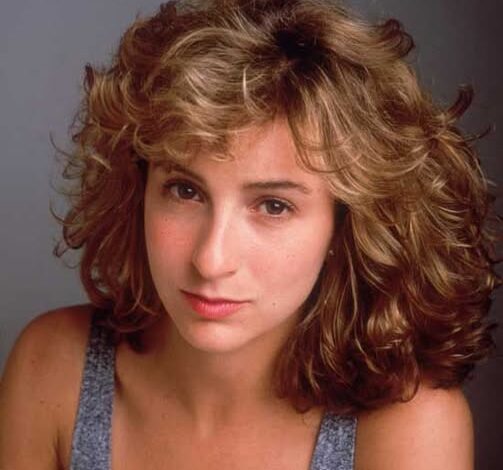
Jennifer Grey’s rise in Hollywood looked unstoppable. By the summer of 1987, she had become one of the most recognizable young actresses in the world. Dirty Dancing was about to hit theaters, and her performance as Frances “Baby” Houseman had already generated the kind of early buzz that careers are built on. Critics praised her charm, her emotional vulnerability, and the way she carried the entire film with a confidence far beyond her years. Everything pointed toward a breakout moment — the kind that transforms a talented actress into an international star.
And then, in a single afternoon, it all collapsed.
Just a few days before Dirty Dancing’s release, Jennifer flew to Ireland for a quiet getaway with her boyfriend at the time, Matthew Broderick. They were both exhausted from months of filming, press tours, and the nonstop tension that comes with sudden fame. Ireland felt like neutral ground — far from Hollywood, far from expectations, far from anything that could pull them into the spotlight. What she hoped for was a moment of peace.
Instead, she was pulled into a nightmare she could never fully leave behind.
While driving through the countryside, their rental car veered into the wrong lane and collided head-on with another vehicle. The impact was brutal. The two passengers in the oncoming car — a mother and her young adult daughter — were killed instantly. Jennifer, strapped in the passenger seat, survived with whiplash, bruising, and minor injuries. Matthew was badly hurt and required hospitalization. But the deepest wounds weren’t physical. They settled in the mind, the memory, and the conscience.
Jennifer later said she remembers fragments: the sound of metal, the blur of motion, the moment the world went white. Among the survivors, the shock was immediate. But for Jennifer, the grief that followed was suffocating. No headline, no public statement, no official report could capture the weight she carried. The deaths of the two women became the defining moment of her life, overshadowing every dream she’d been chasing.
Three days later, Dirty Dancing premiered.
The world celebrated. Jennifer did not.
She attended the premiere wrapped in a neck brace, still bruised, her body stiff with pain. Cameras flashed, crowds cheered, and reporters shouted her name, all expecting the glowing star of Hollywood’s newest hit. Inside, she felt none of it. She described feeling as though she were floating outside her own body, disconnected from the person on the screen and from the life everyone believed she was stepping into.
The film exploded into a phenomenon — one of the most beloved romances of all time. Suddenly she was everywhere: magazine covers, interviews, talk shows, award nominations. Her name was synonymous with the role. Yet she felt she had no right to enjoy any of it. She repeatedly said the same thing in interviews years later: “It didn’t feel right to be celebrated.”
She wasn’t mourning a setback. She was mourning two strangers whose lives had ended on a road she would never be able to forget.
Hollywood didn’t see the pain. Hollywood saw a rising star failing to capitalize on her moment. Casting agents couldn’t understand why her energy shifted. Producers noted that her spark seemed dimmer. Studios assumed she was overwhelmed by fame. No one imagined the reality — that she felt paralyzed by grief and guilt, unable to celebrate success that had arrived on top of someone else’s tragedy.
The trauma created a wall she couldn’t break through. Scripts arrived, opportunities appeared, her agents pushed for career-making follow-ups, but Jennifer couldn’t step into them. She withdrew. She turned down roles. She moved quietly through the industry, doing only what she could manage, always with the pressure of expectations she could no longer meet. Hollywood’s spotlight is relentless; it doesn’t wait for emotional healing. It simply moves on.
As the years passed, Jennifer slowly began to talk about the accident — not for publicity, not for sympathy, but because silence had become too heavy. She explained that in the moment when the world believed her life was taking off, she felt herself sinking into something she couldn’t articulate. “The joy of the success was replaced by the grief of the accident,” she said. “It was as if my career had happened in the wrong body — the wrong person.”
The guilt wasn’t rational; she knew that. She hadn’t been driving. She hadn’t made any decision that caused the crash. But trauma doesn’t follow logic. It follows memory, sound, smell, the flash of an image you wish you could erase. It follows the knowledge that life changed in one violent second and will never go back to what it was supposed to be.
Years later, Jennifer attempted a public reset by undergoing the rhinoplasty that famously altered her appearance so dramatically that even close friends failed to recognize her. She joked painfully about it later, calling it “the nose job from which I’ll never recover,” but the truth behind the humor was plain: she was a woman trying to escape a history that clung to her no matter what face she wore.
Still, the accident remained the moment that divided her life into before and after. Even as she eventually rebuilt parts of her career, won Dancing With the Stars, and reintroduced herself to a new generation, the memory of Ireland lingered, shaping her in quiet, invisible ways.
The story of Jennifer Grey isn’t a story about Hollywood failure or fading fame. It’s the story of a woman whose rising career collided with tragedy at the exact moment she was meant to step into her brightest light. It’s about how a single event can reroute a destiny and how private grief can swallow public triumph. It’s about survival that doesn’t feel like survival and success that doesn’t feel like success.
Most of all, it’s about the long, complicated road of carrying guilt for something you didn’t cause — and the way it can shadow every accomplishment that follows.
Jennifer Grey didn’t vanish from Hollywood. She was pulled away by a moment none of us would walk through unchanged.