If You Notice This Insect, Take These Steps!
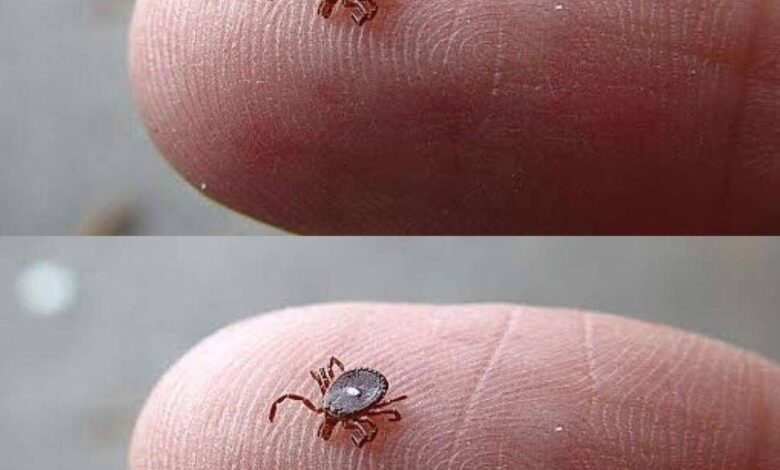
The idyllic charm of a suburban afternoon can be deceptively peaceful. A few weeks ago, while I was navigating the patches of my lawn with a temperamental mower, the world felt perfectly settled. My golden retriever, Mochi, was the picture of contentment, sprawling lazily in the dappled sunlight beneath our ancient oak tree. The rhythm of the chore was interrupted only by a faint, localized tickle near my ankle. In the height of summer, one’s mind immediately settles on the usual suspects—perhaps a stray blade of grass or a persistent mosquito. However, when I glanced down, the sight was far more sinister than a common gnat. Clinging with alarming tenacity to my skin was a minuscule, dark speck. It didn’t fly away or scuttle; it remained anchored. Upon closer inspection, the diagnosis was clear and unsettling: a lone star tick, identified by the singular, pearlescent white dot on its back.
For many, the minor irritations of nature are simply the price of admission for enjoying the outdoors. Mosquito bites are an itchy rite of passage, and a bee sting, while painful, is usually a fleeting encounter. Ticks, however, exist in an entirely different category of concern. They are not merely “gross” in a superficial sense; they are biological hitchhikers capable of transmitting complex and sometimes life-altering diseases. The lone star tick (Amblyomma americanum), in particular, has earned a reputation as one of the most aggressive and problematic species in North America. Unlike the more passive deer tick, which often waits patiently on the tip of a tall blade of grass for a host to brush by, the lone star tick is a known “hunter.” It is capable of sensing the carbon dioxide exhaled by mammals and will actively scurry across the leaf litter to seek out its next meal.
Understanding the anatomy of an encounter is the first step in managing the inevitable surge of panic that follows a discovery. When you find a tick embedded in your skin, your primary objective is to break the physical connection as cleanly as possible. The mechanics of removal are vital. You should reach for fine-tipped tweezers rather than your fingers or blunt instruments. By grasping the tick as close to the skin’s surface as possible—essentially aiming for its head or mouthparts—you can apply a steady, upward pressure. It is crucial to avoid twisting or jerking the parasite. Such sudden movements can cause the head to detach and remain lodged in your skin, significantly increasing the risk of localized infection or the transmission of pathogens. Once the tick is removed, the area should be thoroughly disinfected with rubbing alcohol or a robust soap and water solution.
A common mistake many people make is the immediate disposal of the tick. While the impulse to crush the creature or wash it down the drain is understandable, it is far more prudent to preserve it. Placing the specimen in a small, sealed container or even taping it to a piece of paper allows for identification should health complications arise. Ticks are vectors for a variety of conditions, and the lone star tick is famously associated with STARI (Southern Tick-Associated Rash Illness) and, more notoriously, Alpha-gal syndrome—a condition that can trigger a severe, life-long allergy to red meat. By noting the date of the bite and the location on the body, you provide a physician with critical data that can drastically narrow down a diagnosis if symptoms appear later.
The weeks following an encounter require a period of vigilant self-observation. The human body is remarkably communicative when it is battling a tick-borne illness, but the signs are often subtle or mimic the flu. A primary red flag is the development of a rash. While the “bullseye” pattern is famously associated with Lyme disease (carried by deer ticks), the lone star tick can produce similar circular redness or expanding rashes. Beyond dermatological signs, one should be on the lookout for systemic symptoms such as sudden fever, profound fatigue, unexplained muscle aches, or joint pain. If any of these warning signs manifest, seeking medical attention is not just a suggestion; it is an imperative. Early intervention with antibiotics is often the difference between a swift recovery and a prolonged, debilitating illness.
Of course, the most effective strategy for managing tick-related anxiety is to prevent the encounter entirely. Transforming your personal environment from a tick paradise into a fortress requires a multi-layered approach. When venturing into wooded or tall-grass areas, your wardrobe becomes your first line of defense. The “socks-over-pants” look may not win any fashion awards, but it creates a physical barrier that prevents ticks from reaching your skin. Treating clothing with permethrin and applying repellents containing DEET or picaridin provides a chemical deterrent that can significantly lower your risk profile.
The battle for a tick-free existence also extends to your own backyard. Ticks thrive in high-humidity environments provided by tall grass, leaf litter, and overgrown brush. By keeping your lawn meticulously trimmed and removing piles of wood or debris, you eliminate the cool, damp microclimates these parasites require to survive. Creating a “buffer zone” of gravel or wood chips between your lawn and any bordering wooded areas can also act as a dry barrier that ticks are reluctant to cross. My husband and I are currently in the process of implementing these landscape changes, recognizing that a well-maintained yard is the best gift we can give to ourselves and to Mochi.
Ultimately, the goal of being “tick-aware” is not to breed a fear of the natural world, but to foster a sense of prepared respect. The outdoors offers a necessary reprieve from the digital noise of modern life, and we should not have to sacrifice that connection because of a three-millimeter insect. By knowing how to identify the lone star tick, mastering the art of safe removal, and taking proactive steps to safeguard our homes, we regain control over the narrative. The discovery of a tick on your skin is undoubtedly a disturbing moment, but it is a manageable one. With a calm mind and a set of fine-tipped tweezers, you can navigate the hazards of the tall grass and return to the oak tree with your peace of mind intact. Nature is full of “creepy-crawlies,” but with the right knowledge, we can ensure they remain an occasional footnote to our adventures rather than the main story.