Experts share tips to keep kids, pets safe in extreme cold
Some 100 million Americans are facing freezing cold temperatures and some of the coldest winds of the season, as winter weather persists into the weekend.
Across the Midwest and Northeast, residents may experience wind chills dipping to -10 and -20 degrees Fahrenheit.
Snow is also forecasted in some areas, with Western New York expected to get 2 to 5 inches by the weekend.
Related Articles
Potential blizzard headed to Southeast this weekend: Latest forecast
As the deep freeze remains, experts are sharing tips on how to protect your family, children and pets from frostbite.
Children are particularly susceptible to cold-related injuries such as frostbite, according to ABC News medical contributor Dr. Alok Patel, a physician at Stanford Medicine Children’s Health.weather
Here is what to know about the risks, symptoms and best ways to respond to frostbite and hypothermia.
Why are children more at risk?
Children, particularly infants and toddlers, are at a higher risk of developing cold-related injuries than adults due to a lack of awareness, and because they tend to lose heat more than adults, according to Patel.
“Children tend to have a higher body surface-to-mass ratio, so there’s essentially more room on their bodies to have heat loss,” Patel said, noting that children with some underlying medical conditions and those who are taking certain medications are at a higher risk for cold-related injuries because their bodies have a harder time regulating body heat.
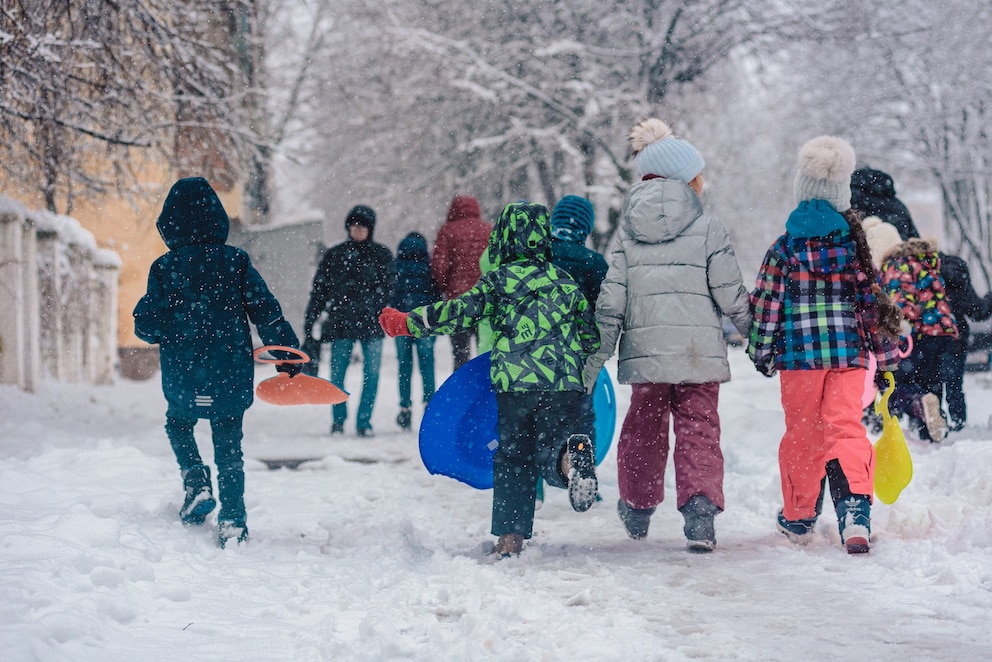
When children are exposed to the cold or immersed in cold conditions for an extended period of time, they can develop cold-related injuries such as hypothermia or frostbite, according to Patel.
Is there a temperature too dangerous for kids to go outside?
There are dangers of taking children outside without proper clothing and precautions when temperatures fall below freezing.
“Even at freezing temperatures — 32 degrees Fahrenheit — it can be dangerous to take an infant outside,” Patel said.
According to Patel and the American Academy of Pediatrics, doctors generally don’t recommend children play outside in temperatures or wind chills below -15 degrees Fahrenheit because at those temperatures, skin that is uncovered can start freezing in minutes.
What are symptoms to watch for in kids?
Hypothermia symptoms may include shivering, drowsiness, exhaustion, confusion, fumbling hands, memory loss, and slurred speech, according to the Centers for Disease Control and Prevention. Signs of hypothermia in babies may also include bright red or cold skin and low energy.
“If an infant or child is in cold water or out exposed to the elements, it can happen within minutes,” Patel said. “But even children who might be out playing and skiing or swimming and not think that they’re at risk could still develop hypothermia within 30 minutes to an hour. It all depends on their level of exposure.”
Related Articles
Emergency preparedness supplies and expert tips for staying safe
Another cold-related injury parents should be aware of is frostbite, described by the CDC as “a dangerous condition that can happen when a person is exposed to extremely cold temperatures,” and where there is a loss of color and feeling in limbs and extremities, according to Patel.
“Imagine if kids are outside and playing with snow, building a snowman, putting their hands in ice, and they’re not paying attention to those signs of frostbite,” Patel said. “Those symptoms can come in within minutes, and they need to be addressed right away.”
During very cold weather, parents should also pay close attention to kids’ nutrition and hydration intake.
“Dehydration and poor nutrition can also increase anybody’s risk of hypothermia, so it’s important that everyone is adequately hydrated, eating nutritious meals before and during any cold-weather activities,” Patel said.
Related Articles
How to stay safe in the cold: What to know about frostbite, hypothermia
What is the best way to dress kids for cold weather?
Patel recommends parents check weather reports and dress their children in sufficient layers that may include thermal apparel and waterproof or water-repellent fabric.
“You want to make sure that you’re dressing your children in layers. It’s easier to take layers off if kids get too hot,” Patel said. “Also, make sure you’re covering those limbs with adequate shoes, high socks, gloves, and a hat, potentially even a neck scarf depending on the weather, because children tend to lose body heat from their extremities, especially their heads, at a disproportionate amount.”
Patel recommends that parents bring extra clothes if there is any chance their child may get wet in cold weather, and also pay attention to their child’s bedtime clothes and bed coverings.
“A child or an infant who is sleeping in a cold crib without the proper covers or a kid who is out in the snow, or even a child who’s swimming and is wet for too long, all of those children can be at risk for hypothermia,” Patel added.
The American Academy of Pediatrics warns against putting bulky coats or blankets on a baby before strapping them into a car seat while traveling, as this may cause the straps to fit too loosely.
Instead, it is recommended to strap the baby into the car seat wearing a lighter layer such as a sweater, and then place a jacket or blanket over the top of car seat straps to make sure the baby is both warm and secure.
What is the best way to warm a child up safely?
If a child is too cold, Patel suggests parents encourage them to come inside to warm up, check that they take off any wet and cold clothing, and change into dry and warm apparel.
“The safest way … is to gently move them to a warmer place, remove any wet clothing, and prioritize warming up their head, their neck, and their chest first,” Patel said.
“If they’re conscious and talking, it’s also a good idea to give them some warm liquids,” Patel added. “But please don’t ever give warm liquids to someone who is confused, excessively sleepy, or unconscious. And if you have any concern at all, please seek immediate medical help or just call 911.”
If you suspect someone may have frostbite, the CDC recommends bringing them indoors immediately. Do not rub any affected area or use a heating pad or another device like a hairdryer to warm the skin because the person’s skin may be numb and doing so may cause more damage to the skin. Avoid hot water as well and opt for warm water instead.
How to keep pets safe from frostbite
According to the American Society for the Prevention of Cruelty to Animals or ASPCA, pets and dogs can be susceptible to frostbite on their paws, ears, and tails so booties and paw protectants are recommended.
Always wash and dry a pet’s feet and stomach after coming in from outside to remove any ice, salt and chemicals, and make sure they’re sleeping in areas where there isn’t a draft.
Frostbite symptoms in dogs can show up in the ears, where their skin can also turn a grayish color on the inside. A dog may also feel pain in any affected areas and could be licking or chewing at it.
Take dogs and pets to a veterinarian for frostbite treatment.