Do Not get fooled by the supermarkets, They are selling you meat from! See more
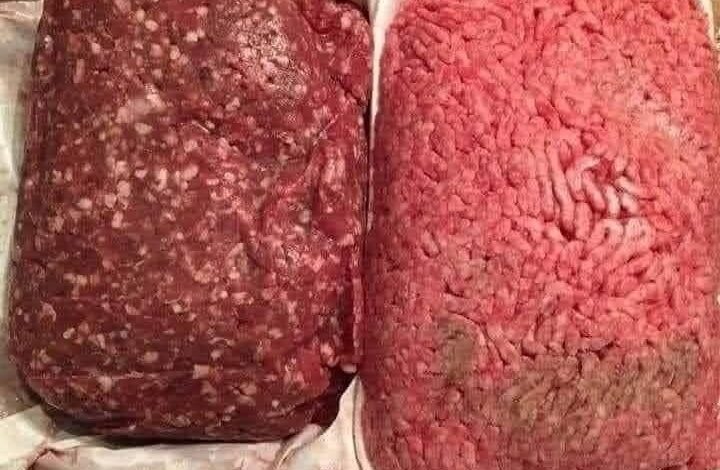
Supermarkets have always relied on one thing to keep customers loyal: trust. Shoppers trust that what they’re buying is what the label says it is, that the quality matches the price, and that the food they bring home to their families is safe. But recently, that trust has started to crack — not because of a single dramatic incident, but because of a slow, unsettling pattern that customers around the country began noticing at nearly the same time.
It started with something small: the texture of certain packaged meats seemed… off. Not spoiled, not obviously bad, but strangely inconsistent. One week the steak tasted rich and tender, the next week it was stringy and oddly watery. Chicken breasts that had always cooked normally suddenly released a flood of liquid in the pan. Ground beef browned unevenly, had an unusual smell, or behaved in ways long-time home cooks couldn’t quite explain.
At first, shoppers chalked it up to a bad batch. Maybe the store had rushed inventory. Maybe a truck had been delayed. Maybe colder temperatures during transport created the odd texture. People grumbled, returned packages, exchanged them for something else — but it wasn’t enough to raise alarms.
Then the complaints multiplied.
Online forums filled with identical experiences. Local Facebook groups shared warnings. Food bloggers wrote long posts comparing batches they’d purchased weeks apart. Something wasn’t right, and it wasn’t isolated.
What finally broke the silence was an independent investigation by a small food-testing group that decided to analyze several suspicious products bought from multiple stores. They weren’t expecting anything dramatic — maybe poor handling, maybe incorrect storage temperatures. But what they found was more complicated, and far more concerning.
Certain meat distributors — not the grocery chains themselves, but companies supplying them — had quietly begun mixing lower-grade imported meats with higher-quality domestic cuts. Sometimes the meat came from facilities with minimal oversight or vague regulatory histories. Sometimes it was simply a cheaper grade being blended and repackaged without disclosure.
This wasn’t about safety. The meats weren’t contaminated or dangerous. But they were mislabeled, misrepresented, and absolutely not worth the “premium” price tags shoppers were paying.
The packaging looked exactly the same as always: clean labels, familiar logos, certified stamps. The prices hadn’t changed. The shelves didn’t look any different. The deception was subtle — subtle enough that most customers never would have known without the shifting taste and texture giving it away.
When the findings hit the public, food safety experts were quick to voice their concerns. Not about immediate harm, but about transparency. For years, consumers have already struggled to decipher confusing labels like “natural,” “enhanced,” “injected,” and “processed in.” Now it became clear that even labels that seemed straightforward could hide uncomfortable secrets.
One expert put it bluntly: “The problem isn’t the meat. The problem is the lie.”
Supermarkets were quick to distance themselves. They insisted they had no idea what was happening inside their suppliers’ processing facilities. They emphasized that they rely on certifications, audits, and compliance from third-party distributors. And in fairness, that’s true: grocery chains aren’t the ones grinding, cutting, or mixing the meat. They’re the end point in a much larger supply web.
But customers didn’t care about corporate hierarchies. They cared that the steak they bought last week wasn’t the quality they paid for. They cared that chicken that used to taste like chicken now tasted like water and preservatives. They cared that companies they trusted to feed their families didn’t notice — or didn’t look closely enough.
One mother, interviewed outside a market, summed up the feeling perfectly: “I can’t afford to waste money. If I’m buying something labeled premium, I expect premium — not leftovers from who-knows-where that got slapped under a fancy brand.”
Online, frustration turned into anger. Consumers shared photos, receipts, even videos of meats cooking down into half their size due to excessive moisture. Some started checking country-of-origin labels more carefully. Others abandoned certain brands altogether.
As the controversy grew, supermarkets scrambled to regain control. Many issued statements promising to review their supply chains. Some cut ties with the distributors involved. Others launched internal quality audits to verify that their products matched what the labels promised.
But the damage was done. Trust, once shaken, rarely snaps back into place.
Consumers began asking bigger questions — not just about meat, but about everything they buy.
Where do our groceries really come from?
What happens between the farm and the shelf?
How many steps — and how many hands — handle our food before we touch it?
How much do labels actually reveal?
Food transparency advocates have warned for years that the supply chain is too complex, too opaque, too vulnerable to cost-cutting shortcuts. Now millions of everyday shoppers were seeing it for themselves.
Experts gave simple advice:
Read labels carefully — especially the fine print.
Choose brands known for consistent quality.
Buy from local butchers or farms when possible.
Research companies, not just products.
Pay attention to recalls and public reports.
None of these suggestions solve the deeper problem, but they give consumers a slight advantage in a system built on speed and volume.
Meanwhile, regulatory agencies announced they were reviewing documentation from the distributors involved. Some hinted at possible fines. Others promised tighter oversight. Whether any of these changes will last, or whether they’ll fade when headlines quiet down, remains to be seen.
For now, supermarkets are in damage-control mode. They’re issuing assurances, tightening supplier requirements, and trying to convince customers that the products on the shelves are exactly what the labels claim.
But the truth behind this whole situation is simple, and it’s bigger than meat:
Consumers don’t want to guess what they’re feeding their families.
They don’t want marketing disguised as honesty.
They don’t want to pay top dollar for something that belongs in the bargain bin.
They want transparency.
They want choice.
They want respect.
And they deserve all three.
This incident didn’t cause a food crisis — but it did expose a trust crisis. And that’s harder to fix. Because trust isn’t restored with coupons, statements, or promotional sales.
It’s restored when companies stop assuming customers won’t notice.
When the food industry stops cutting corners behind closed doors.
When the labels finally tell the truth — all of it.
Until then, shoppers will keep looking closer, reading deeper, and questioning more. And maybe that’s the one good thing to come out of all of this: people are paying attention now. And once consumers start paying attention, they rarely stop.