Breaking News, Steve Harvey, Goodbye Steve Harvey, we announce!
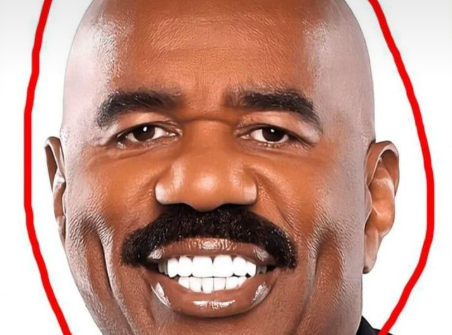
In early May 2024, a bizarre story began spreading across Facebook and other social media platforms claiming that Steve Harvey had been fired from his long-running hosting gig on Family Feud. The rumor gained serious traction thanks to paid Facebook ads and clickbait headlines like “Tensions Erupt After His On-Air Slip-Up” and “Steve Harvey Abruptly Fired From Family Feud.”
At first glance, these posts looked convincing. They included pictures of Harvey and Oprah Winfrey, snippets of what appeared to be news quotes, and even a fake CNN article link. To the average reader scrolling through their feed, it looked like a real scandal — the beloved comedian and game show host allegedly “fired” after an inappropriate on-air conversation with Oprah Winfrey.
But like most viral social media drama, it was pure fiction.
The rumor started when a website calling itself pastadibern.pro published a fake news story disguised to look like an official CNN article. The headline read: “Steve Harvey Fired from Family Feud After Shocking On-Air Confession to Oprah Winfrey.” The fake article claimed Harvey had been dismissed after discussing erectile dysfunction (ED) during an interview on Winfrey’s show, allegedly promoting a product called Canna Labs CBD Gummies as his “solution.”
Of course, none of this ever happened.
There was no such interview with Oprah. Steve Harvey never endorsed any CBD product. ABC never fired him. And the supposed CNN article wasn’t on CNN at all — it was hosted on a shady domain unrelated to any real media outlet.
The Anatomy of a Scam
These kinds of fake celebrity news stories follow a familiar pattern. A scammer creates a realistic-looking news article — often copying the style and layout of legitimate sites like CNN, Fox News, or USA Today. The article usually includes fabricated quotes, stolen images, and fake social media screenshots to make it appear credible.
From there, the scammers buy Facebook or Instagram ads targeting fans of the celebrity in question. The posts use emotionally charged headlines like “We’re Sad to Say Goodbye to Steve Harvey” or “Oprah Confirms Shocking News About Steve Harvey.” Once readers click the link, they’re redirected to the fake article — and that’s where the real con begins.
Embedded within the story is a pitch for some sort of product — most commonly weight loss supplements, CBD gummies, or “miracle” health cures. The scammers claim that the celebrity in question uses or endorses the product. They might include fake testimonials, made-up quotes, or even doctored images showing the celebrity holding the product.
In this case, the product being pushed was Canna Labs CBD Gummies. The fake article claimed Harvey not only used the gummies but credited them with curing his supposed health issues. The story even included fabricated dialogue between Harvey and Oprah, painting her as disapproving of his openness on the topic.
It was all nonsense — a marketing ploy wrapped in a fake controversy.
Debunked by Fact-Checkers
Fact-checking organizations like Snopes had already flagged these Steve Harvey CBD rumors as fake as far back as 2022. Similar scams have used the same playbook, swapping out the celebrity name but keeping the identical format. Victims of these scams include Oprah Winfrey herself, former Jeopardy! host Mayim Bialik, Dr. Phil McGraw, and even Tom Selleck.
Each time, the false story ties the celebrity to a health product they never promoted, often claiming they were fired, “canceled,” or “silenced” after revealing the supposed product on television.
Snopes traced several of these fake news pages to networks of fraudulent marketing sites, often registered anonymously in Eastern Europe or Asia. The domains are typically short-lived, disappearing once Facebook or Google flags them for misinformation or scam behavior. But by the time one site is taken down, another pops up — identical content, new URL.
Why People Keep Falling for It
Part of why these scams keep working is simple psychology. People trust familiar faces. When you see Steve Harvey’s photo next to a CNN-style headline, your brain doesn’t immediately question its authenticity — especially if you’re a fan of the show. The fake articles often use emotional triggers: a shocking confession, a firing, a betrayal. These headlines get clicks because they promise scandal.
Once readers are hooked, the scammers go for the sale. They create urgency — “limited supply,” “last day of the offer,” “exclusive deal before it’s banned.” Users enter credit card info for a “free trial,” only to find recurring charges or counterfeit products that never arrive.
The Real Steve Harvey
In reality, Steve Harvey is still hosting Family Feud and remains one of the most recognizable figures in American television. The show continues to dominate syndicated game show ratings, and Harvey’s comedic timing and quick wit remain central to its success.
He has publicly warned fans before about fake ads using his name. In several interviews and posts on his verified accounts, Harvey has said he has never endorsed any CBD, diet, or medical product. In one 2023 Instagram video, he bluntly told followers: “Stop falling for this mess. I don’t sell gummies. I don’t do CBD. If you didn’t hear me say it on my show or my page, it’s fake.”
Oprah Winfrey has issued similar warnings. Her name has been exploited countless times in fake endorsements for diet pills, skincare products, and CBD oils. She even dedicated a segment of The Oprah Conversation to exposing the scam networks that profit from using her image without permission.
A Broader Problem Online
Fake celebrity endorsement scams are now a multibillion-dollar industry. In 2024, the Federal Trade Commission (FTC) estimated that social media scams — including fake celebrity product endorsements — caused over $1.2 billion in reported losses. The majority originated on Facebook and Instagram.
Part of the issue is how easy it is for scammers to mimic legitimate media. Anyone can buy a domain, copy-paste CNN’s visual layout, and throw up a headline in minutes. Platforms often struggle to keep up with the constant churn of fake sites.
Even when users report scams, it can take weeks for moderation teams to respond — by which time the scammers have already moved on to a new domain.
How to Protect Yourself
The simplest way to avoid these traps is to think critically and verify before you click. If you see a shocking headline about a celebrity “firing” or “confession,” check the source. Real outlets have recognizable domains — CNN.com, ABCNews.go.com, etc. If the URL looks odd or includes random letters, it’s not legitimate.
Also, check the celebrity’s official social media pages. People like Steve Harvey, Oprah Winfrey, and Dr. Phil all have verified accounts where they clarify rumors quickly. If they haven’t said anything, it’s almost certainly false.
Finally, never enter credit card or personal information into a site you reached through a Facebook ad — especially one promising miracle health results or celebrity-backed deals.
The Bottom Line
The fake “Steve Harvey fired from Family Feud” story wasn’t just clickbait — it was part of a larger network of online scams designed to profit off people’s trust. Harvey was never fired, never interviewed by Oprah about ED, and never endorsed any CBD gummies.
It’s a reminder that in 2025, misinformation spreads faster than ever — and skepticism is your best defense.