KEEPING HOWIE IN OUR THOUGHTS AND PRAYERS!
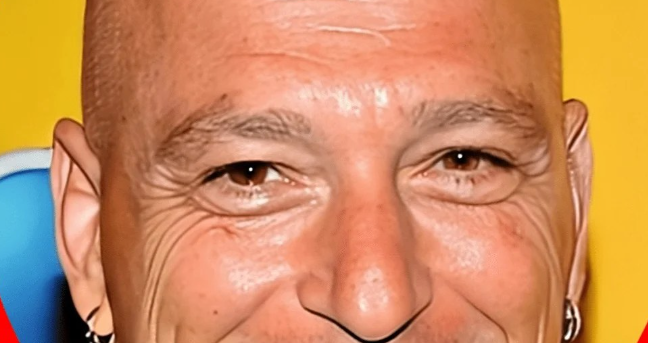
Howie Mandel has been a household name for decades — known for his sharp humor, high energy, and charisma on television. Whether it’s through America’s Got Talent, his stand-up comedy, or countless other appearances, Mandel has built a reputation as one of the most engaging and entertaining personalities in show business. But behind that bright stage persona lies a much more complex, human story — one that Mandel has courageously shared with the world.
For years, Howie Mandel has been open about living with Obsessive-Compulsive Disorder (OCD) and Attention Deficit Hyperactivity Disorder (ADHD). His willingness to speak publicly about his mental health challenges has made him not just a comedian or TV host, but an advocate for awareness and acceptance. In an industry where appearances are everything, Mandel has used his platform to remind people that vulnerability and honesty are strengths, not weaknesses.
Mandel’s honesty about OCD has shed light on what the condition truly looks like beyond the stereotypes. Many people casually describe themselves as “a little OCD” when they like things clean or organized. For Mandel, it’s far deeper and far more consuming. OCD is not simply a preference for neatness — it’s an ongoing struggle with intrusive, repetitive thoughts and compulsive behaviors that can be exhausting to manage. He has described feeling trapped in cycles of fear and ritual, performing repetitive actions to try to regain control over his thoughts. These moments, invisible to most people, can make even ordinary situations incredibly difficult.
His openness has helped millions understand that OCD isn’t a personality quirk — it’s a legitimate mental health condition that requires compassion, treatment, and understanding. Mandel has often spoken about the daily effort it takes to function while managing OCD. For him, simple human contact, like shaking hands, can be a major source of anxiety. Rather than hiding it, he addresses it head-on, turning moments of discomfort into teaching opportunities. Through this, he normalizes what countless others experience silently every day.
On top of that, Mandel has also talked openly about living with ADHD, a condition that impacts focus, organization, and impulse control. While ADHD is often associated with children, Mandel’s story shows how it continues into adulthood and can shape every aspect of a person’s life. He’s shared how his racing thoughts and difficulty staying still can make even structured work challenging, but he’s also embraced how that same energy fuels his creativity and comedic style. His quick wit, his constant movement, his ability to pivot effortlessly — those are the same traits that have defined his career and made him so magnetic to audiences.
By being transparent about both OCD and ADHD, Mandel has given others permission to be honest about their own struggles. It’s not easy to admit to mental health challenges, especially in the public eye, but Mandel has shown that doing so can be both healing and empowering. He’s used his fame not just to entertain, but to educate. Over the years, he has spoken in interviews, appeared on talk shows, and taken to social media to discuss how he manages his conditions — through therapy, medication, structure, and support from those close to him.
What makes Mandel’s openness so powerful is his refusal to frame himself as a victim. He doesn’t glamorize his challenges, but he doesn’t hide them either. Instead, he presents his journey as a balance between struggle and resilience. He reminds people that mental illness doesn’t define who you are — it’s something you live with, manage, and learn from. His story proves that even when life is difficult behind the scenes, it’s still possible to thrive.
Mandel’s impact extends far beyond entertainment. Fans and fellow public figures have often expressed how his transparency gave them courage to seek help or talk about their own mental health issues. When someone as successful and visible as Howie Mandel admits to needing therapy or medication, it sends a clear message: mental health care is normal. It’s not a sign of failure — it’s a form of strength.
Through his honesty, Mandel has helped dismantle the stigma that still surrounds conditions like OCD and ADHD. He’s shown that these are not moral flaws or character weaknesses; they’re part of the human experience. Everyone has their own version of struggle — his just happens to be more public. That openness creates connection. It makes people who feel isolated realize they’re not alone.
Mandel’s journey also underscores the importance of empathy. Too often, people judge what they don’t understand — assuming that someone with anxiety or compulsions can simply “get over it.” Mandel’s story breaks that misconception. It takes real work to live with mental health conditions, and it takes courage to keep showing up for life, work, and relationships despite them. His continued success, even in the face of these challenges, is proof of that perseverance.
Over time, Mandel has become more than a performer; he’s become a symbol of persistence and authenticity. He continues to thrive in the entertainment world while openly discussing his vulnerabilities — something that few celebrities are brave enough to do. His advocacy is subtle but powerful: by being himself, he encourages others to do the same.
His story is also a reminder that help works. Therapy, medication, and support systems don’t “fix” a person, but they give them tools to cope, grow, and keep moving forward. Mandel doesn’t pretend to have all the answers. He doesn’t claim perfection. What he does offer is honesty — and that’s what makes his message resonate so deeply.
In a world obsessed with polished images and filtered lives, Howie Mandel’s transparency is refreshing. He’s not trying to present himself as flawless or inspirational in a cliché way. He’s just real — a man doing his best to manage his mind while still making people laugh. His ability to keep that humor alive, even in tough times, is part of what makes him special.
As fans and admirers keep him in their thoughts, it’s worth remembering what his journey represents: that being open about mental health isn’t a weakness — it’s an act of courage. Mandel’s story is one of resilience, self-awareness, and the ongoing pursuit of balance. It shows that even the funniest people can struggle deeply, and even those who bring joy to millions sometimes need support themselves.
Howie Mandel continues to remind the world that mental health deserves as much attention as physical health. His openness helps reduce shame, his humor helps bridge understanding, and his example helps others believe that healing is possible — not perfect, but possible.
Through his candor and courage, he has turned his personal battles into a public message of hope. And that, more than any punchline, might be his most meaningful legacy.