Her Ex Husband K!dnapped Her Son, 30 Years Later She Found Her Son Living Under a Fake Name
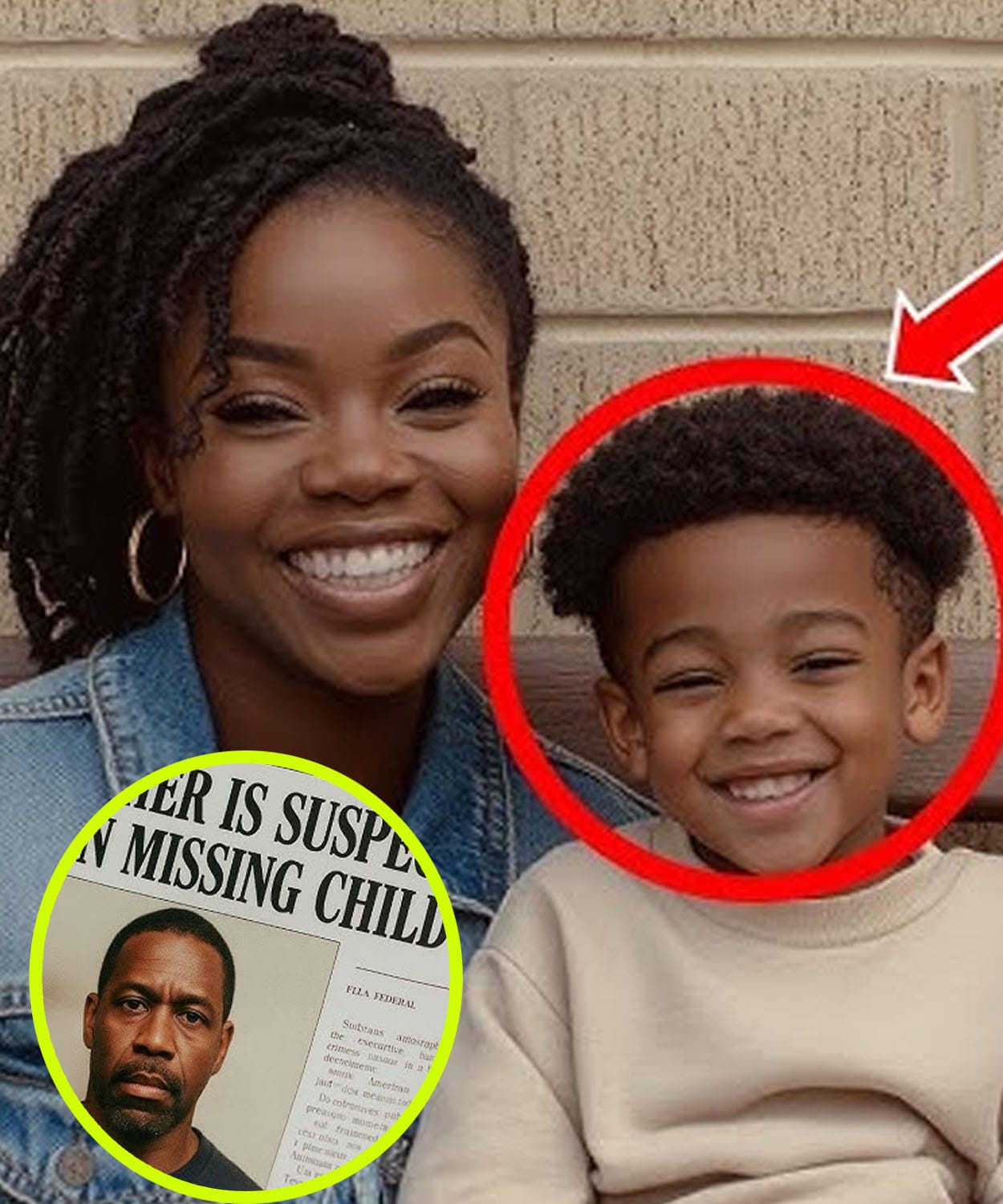
On a gray morning in 1995, Nia Whitaker packed her six-year-old son Isaiah’s bag for a weekend visit with his father, Malcolm.
She tucked in his favorite red hoodie, a stuffed bluebird, and a drawing he’d made for her: a bluebird, round and smiling, with the sun in the corner and the words, “It’s you and me.” She kissed Isaiah goodbye, promised she’d see him Sunday, and watched him drive away.
She never saw him again.
When Sunday came and Isaiah didn’t return, Nia’s world collapsed. Malcolm’s phone went straight to voicemail. The police filed a report, but not with urgency—he was the boy’s father, after all.
“He has rights,” they told her. But Nia had nothing. For months, she searched: calling every number, mailing letters, posting Isaiah’s photo across the country.
Friends and family tried to help, but as the years passed, hope thinned and the world moved on. Nia’s home became a shrine to her missing son, his drawings fading on the fridge, his room frozen in time.
Thirty years later, in 2025, Nia was watering her plants when she saw a news brief: “Malcolm Whitaker, 66, survived by son James Holloway.”
The name struck her like lightning. James Holloway. Her hands shook as she read the obituary again and again. Could it be? Could Isaiah be alive, living under another name?
Nia’s grief reignited into action. She dug out Isaiah’s old backpack, the bluebird drawing, and the letters she’d written every year—most returned unopened, some lost forever.
She found an address for James Holloway and sent a letter, including a copy of the bluebird drawing with the initials “IW”—Isaiah Whitaker—in the corner.
James Holloway, meanwhile, had grown up believing his mother was unstable, that she’d abandoned him. That’s what Malcolm always told him. James remembered moving from town to town, never staying long, never making close friends.
There were no photos from before age seven, no stories about his early childhood except the ones Malcolm supplied: “Your mother didn’t want us. She let you go. I saved you.”
After Malcolm’s death, James found a box in the back of the closet: a baby blanket embroidered “IW,” a photo of a smiling woman holding a small child, and birthday cards signed “Love, Mommy.” He felt something shift inside him—a crack in the story he’d always believed.
Then the letter arrived. The bluebird drawing, the familiar handwriting. James stared at it for hours, the initials matching the ones he’d always used without knowing why. He felt a strange ache, a longing for something he couldn’t name.
A few days later, Nia appeared at his door. She looked older, but her eyes were the same. “I think you might be my son,” she said softly. James, shaken, denied it. “My father said my mother left.
That she was sick. That she didn’t want me.” Nia’s voice trembled. “I never stopped looking for you. I never gave up.” She left the drawing on his porch and walked away.
James was left with questions—and a growing sense that his entire life had been built on a lie. He confronted his half-brother Marcus, who admitted he’d always wondered about the stories Malcolm told. Together, they listened to an old tape: Malcolm’s voice, slurred with drink, confessing, “I had to make him hate her. She would have ruined him. I saved him.”
The truth was undeniable. James—Isaiah—had been stolen, not abandoned.
Haunted by memories and dreams—a woman singing, the smell of oranges, a bluebird—James began to let the truth in. He visited Nia again. She showed him the room she’d kept unchanged for thirty years: blue wallpaper, a child’s bed, a shelf of books and toys.
She told him stories of his childhood: his favorite color (turquoise), his best friend (Jordan), the way he used to line up his crayons in a rainbow.
James didn’t remember everything, but he felt something in his bones, a sense of belonging he’d never known. “He told me you left,” he said. Nia shook her head. “I always wanted you. You were taken.” They sat together in silence, letting the years of pain and longing settle between them.
Slowly, a relationship began to form. James started using the name Isaiah again, at least in private. He helped Nia repaint the porch, choosing a shade close to bluebird.
He carved her a new wooden bird, painted the same color, and left it on the kitchen table with a note: “For the woman who never stopped waiting.”
Some days were harder than others. Isaiah struggled with anger, guilt, and grief for the childhood he’d lost. Nia grieved the years they’d missed, the milestones she hadn’t witnessed.
But together, they built something new. They shared meals, stories, and quiet moments. Isaiah began to remember small things: a song Nia used to sing, the feeling of her arms around him, the way she called him “Sky.”
Marcus visited, bringing an old photo Malcolm had kept—a picture of Isaiah as a child. The brothers sat with Nia on the porch, not talking much, but finding comfort in each other’s presence.
Isaiah visited Malcolm’s grave, not with forgiveness, but with clarity. “You didn’t protect me,” he said. “You stole me.” He left a photo of himself and Nia at the headstone, weighed down by a stone, and walked away.
In time, Isaiah moved back into his childhood home. The room was the same, but he was different. He called Nia “Ma” without thinking, and she answered with a smile. He began to heal, and so did she.
Their story is one of loss, but also of hope—a testament to a mother’s love, a son’s resilience, and the power of truth to reclaim what was stolen. For thirty years, Nia waited for her son to come home. And finally, he did.
If this story touched your heart, remember: no matter how many years pass, love never stops searching. And sometimes, even after decades of darkness, the truth finds its way back into the light.