Word Repeated Hundreds Of Times In Epstein Files Sparks Claims It May Have Been A Hidden Code
A single word appears again and again in the documents, leading some to question whether it carried a darker meaning
Warning: This article includes discussion of child abuse, which some readers may find upsetting or difficult to read.
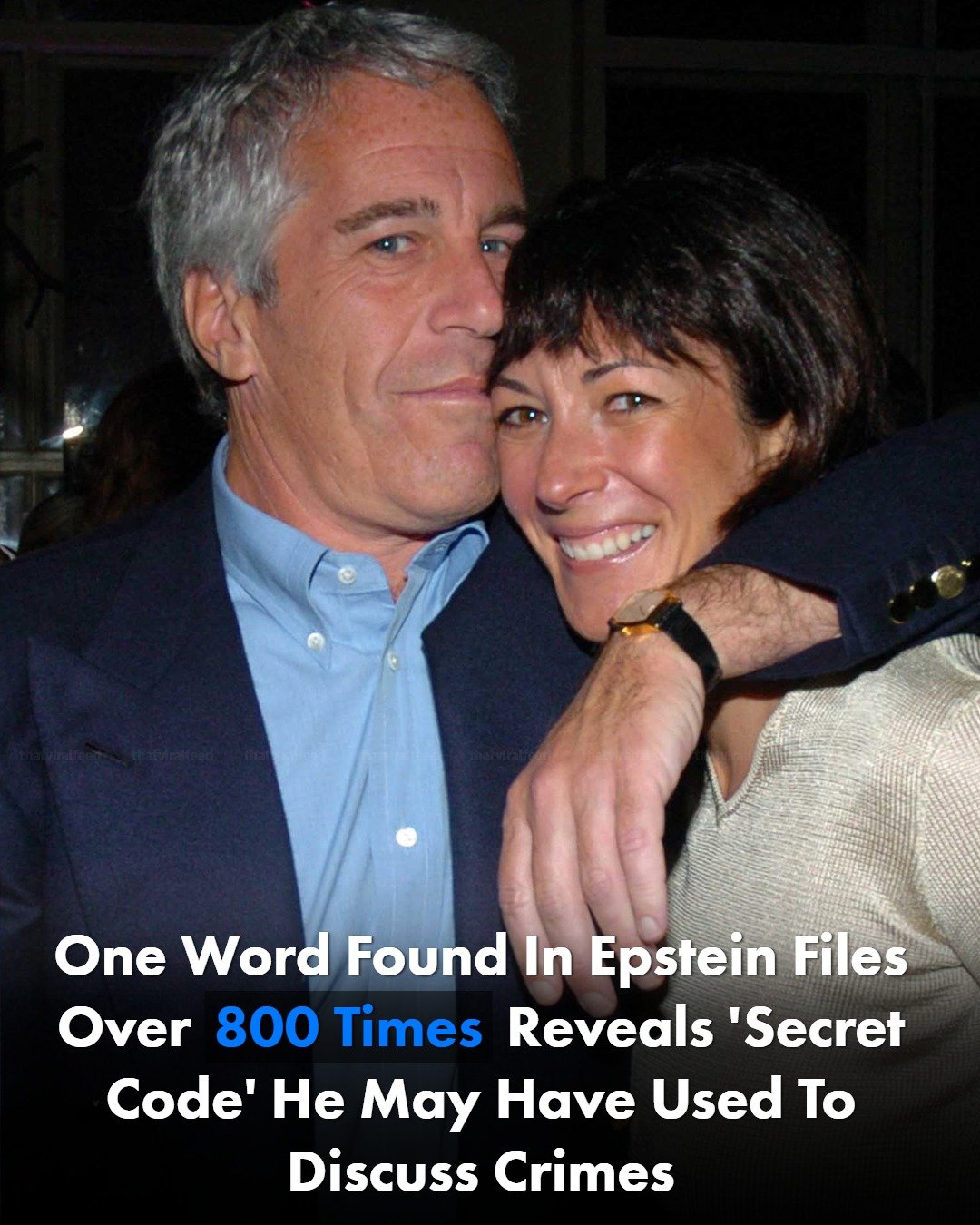
One word that appears more than 800 times in a recent batch of documents released from Jeffrey Epstein’s estate has drawn fresh attention. Some believe it may have been used as a coded reference rather than having an innocent meaning.
Convicted pedophile Jeffrey Epstein became widely known for his ties to wealthy and influential figures across the world. Survivors have continued to come forward, alleging that Epstein operated an international sex trafficking network that included the abuse of children by his associates and friends.
Several people connected to Epstein, including US President Donald Trump and disgraced former British royal Andrew Mountbatten-Windsor, have faced accusations of sexual misconduct involving minors. Trump has not been charged with any crime related to his association with Epstein.
Although emails from Epstein’s estate often suggest an unusually open tone in his communications, one word appears repeatedly in ways that have caused alarm among researchers and online safety groups.
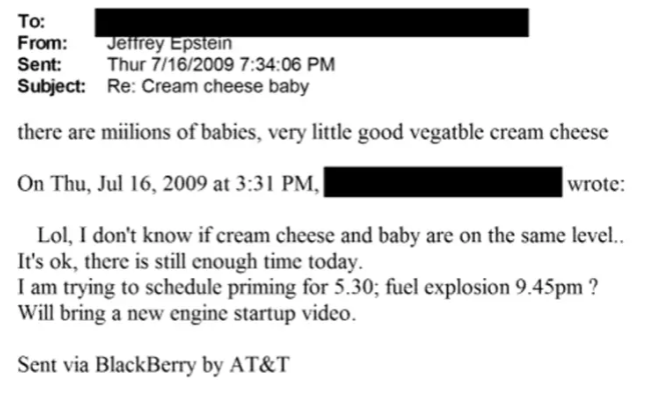
The word in question is “pizza,” along with references to “cheese” and related emojis. Some believe these terms may have been used as coded language to refer to child sexual abuse material.

British newspaper The Telegraph has previously reported that online safety organizations have warned about coded language used by pedophiles to avoid direct wording. The phrase “cheese pizza” is believed to be one such example, as its initials match “CP,” a common abbreviation for child pornography.
In some cases, references to cheese or pizza do appear to be genuine conversations about food. However, several excerpts from the files appear out of place or confusing when taken at face value.
The word “cheese” alone appears more than 1,138 times in the documents, often in contexts that do not clearly make sense if read literally.