SKIN SIGNALS USED TO DIAGNOSE SERIOUS DISEASES!
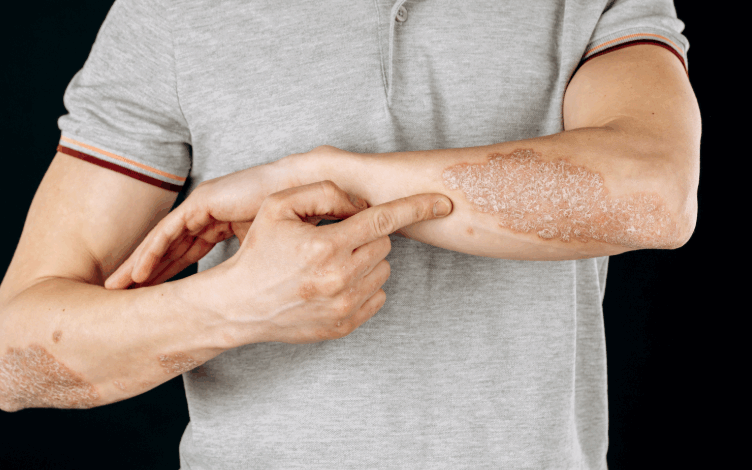
Most people treat their skin like a cosmetic concern—something to moisturize, tan, exfoliate, or cover up with makeup. But dermatologists will tell you something far more important: your skin is a diagnostic screen. It reflects what’s happening inside your body long before you feel sick. When hormones shift, immunity drops, inflammation rises, or an organ starts struggling, the skin often reacts first. The signals can be subtle or dramatic, but they are rarely meaningless.
Understanding these signs doesn’t replace a doctor’s evaluation, and it definitely doesn’t give you a shortcut to diagnosis. Still, knowing what to look for can push you to seek help at the right moment, instead of brushing off symptoms that deserve attention. Below is a straightforward breakdown of major skin changes that can point to deeper health issues—and why ignoring them is a mistake.
1. Dark Spots Beyond Normal Pigmentation Changes
Dark spots are usually innocent—sun exposure, hormonal shifts, aging, post-acne marks. You’ve seen those a thousand times. But when they appear suddenly, cluster in odd areas, or spread without a clear reason, doctors start thinking about hormonal disorders like Addison’s disease. In Addison’s, the adrenal glands underperform, and one of the earliest clues can be unexplained darkening of the skin, especially on joints, scars, or pressure points. These aren’t normal age marks; they often look patchy, uneven, and out of place.
If someone develops fatigue, dizziness, low appetite, or salt cravings alongside the dark patches, that combination deserves immediate medical attention. The skin is waving a red flag long before the condition becomes dangerous.
2. Loss of Pigment and Sharp White Patches
White, sharply defined patches on the skin can be unsettling. Vitiligo is the most common culprit—an autoimmune condition where pigment cells are mistakenly destroyed. It can show up at any age, without pain or itching. People often ignore early patches or hide them, thinking they’re cosmetic inconveniences. They’re not. Vitiligo itself isn’t dangerous, but it signals underlying immune imbalance, and the condition tends to progress without treatment.
Dermatologists can offer therapies that slow the process or restore pigment, but the key is detecting it early. When white patches start spreading, or when they appear around the eyes, hands, or mouth, that’s the time to get evaluated, not years later.
3. Rashes That Refuse To Go Away
Everyone gets rashes—heat, allergies, detergents, cheap jewelry. But a persistent rash that sticks around for weeks or keeps coming back can represent something systemic. Autoimmune conditions like lupus and psoriasis reveal themselves through the skin long before joints ache or organs get involved. Infections, celiac disease, and even certain cancers can first appear as stubborn rashes.
A rash that burns, spreads, changes shape, or comes with fever or fatigue deserves more than over-the-counter creams. Chronic skin inflammation is often your body trying to point to a deeper issue.
4. Edema—Daily Swelling, Not Just Water Retention
Swollen legs or puffy eyelids first thing in the morning might seem harmless. Maybe you didn’t sleep well, maybe you ate salty food, maybe it’s hot outside. Occasional swelling isn’t a crisis. But daily, repetitive edema tells a different story. Hypothyroidism—an underactive thyroid—often causes this type of subtle puffiness. Low thyroid hormones slow everything down, including your metabolism and your body’s ability to manage fluids.
If swelling is paired with fatigue, weight changes, dry skin, hair thinning, or sensitivity to cold, the pattern becomes too clear to ignore. Thyroid disorders are common, underdiagnosed, and easily treatable once identified.
5. Moles That Evolve Too Quickly
Moles aren’t supposed to dramatically change. If they start growing, darkening, losing symmetry, or developing irregular edges, that’s a textbook warning sign for melanoma. Skin cancer doesn’t always scream; sometimes it starts as a tiny dot that quietly morphs. Rapid change is the key indicator.
Any mole that behaves differently from the rest—darker, raised, itchy, or bleeding—should be checked by a dermatologist. Early detection of melanoma makes all the difference. Waiting is the worst strategy.
6. Acne That Never Calms Down
Acne is normal, annoying, and deeply misunderstood. Occasional breakouts—no problem. Chronic, stubborn acne that doesn’t respond to proper routines? That’s often hormonal. Polycystic ovary syndrome (PCOS), insulin resistance, and endocrine imbalances can all turn the skin into a battleground. Treating the acne alone won’t solve it because the acne is a reaction, not the cause.
When breakouts come with irregular cycles, weight fluctuations, excess hair growth, or fatigue, the skin is reflecting an internal hormonal storm. Dermatologists and endocrinologists often work together on these cases for a reason.
7. Flaking That Goes Beyond Dry Skin
Dryness is universal, especially in cold seasons. But severe flaking—skin peeling in large amounts, cracking, thickening, or reddening—can indicate conditions like eczema, fungal infections, or autoimmune disorders. Some forms of psoriasis create large, scaly patches that people mistake for “just dry skin” until it’s out of control.
If moisturizers do nothing, if the flaking spreads, or if it irritates or bleeds, it needs proper treatment. Ignoring it makes it worse, not better.
8. Excessive Sweating Without Reason
Sweating is normal. Night sweats, hot flashes, and stress sweats are explainable. But sweating in cool environments, sweating while resting, or sweating excessively without any trigger can point toward thyroid disorders like Graves’ disease. The body’s metabolism goes into overdrive, and the skin tries to compensate by cooling itself nonstop.
If sweating comes with trembling, anxiety, heart palpitations, or unexplained weight loss, it’s not “just stress”—it’s a medical issue that demands attention.
The Bottom Line: Don’t Ignore Your Skin
Skin signals aren’t random inconveniences. They’re part of your body’s diagnostic language. The mistake people make is brushing them off, blaming stress, weather, food, or cosmetics. While those can absolutely cause harmless reactions, persistent or unusual skin changes deserve a closer look.
Your skin is the most visible organ you have. When it shifts suddenly or dramatically, don’t wait for things to get worse. A proper medical evaluation can turn confusion into clarity, and early action can prevent complications. Trust your instincts. Trust the signals. And when something feels off, get it checked. Your body rarely sends warnings without reason.