Epstein Threatened To Out Trump With Private Photos In Leaked Emails
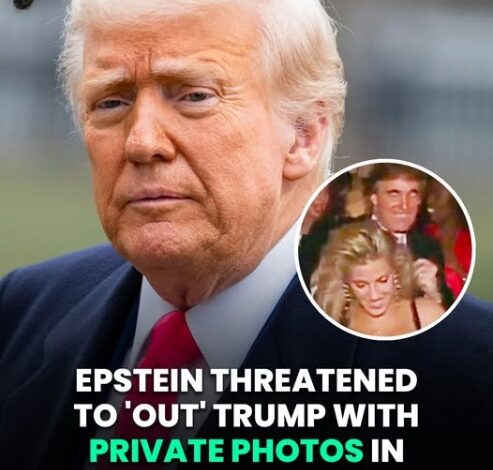
Jeffrey Epstein once threatened to publicly expose Donald Trump, according to a batch of leaked emails that surfaced this week. The messages were part of a massive document release — more than 20,000 pages — handed over by U.S. lawmakers, who have been pushing for full transparency surrounding Epstein’s network, connections, and the people who may have been implicated.
The emails are only a fraction of what investigators believe exists, but even this small portion sent a shockwave through Washington. Epstein, already notorious and convicted for sex crimes, seemed comfortable hinting at information he could use as leverage. And in several exchanges, he suggested he had “private photos” of Trump — pictures he claimed could damage the then-future president.
Trump and Epstein operated in overlapping social circles in the 1990s and early 2000s. Both were wealthy, vocal New York figures, often photographed at the same events or in the orbit of the same elites. For years, Trump has insisted he never visited Epstein’s island or engaged in anything illegal, despite acknowledging that he knew Epstein socially. Epstein himself once described Trump as someone who “liked women on the younger side.”
But new flight logs introduced in the document release show Trump flew on Epstein’s jet at least seven times between 1993 and 1997. Trump has dismissed the flights as benign — quick hops between New York and Florida, nothing more. His team has repeatedly denied any wrongdoing, and the White House stance hasn’t changed even after this latest leak.
Trump isn’t the only high-profile name tangled in the Epstein fallout. Prince Andrew remains one of the most publicly scrutinized figures associated with Epstein’s operations. Virginia Giuffre, a survivor of Epstein’s trafficking ring who died earlier this year, long accused Andrew of sexually assaulting her when she was seventeen. Andrew denies it outright, despite a photograph of him with Giuffre that’s circulated for years. He’s always hinted the image might be fake or altered — but Epstein’s leaked emails say otherwise. In one message, Epstein confirms the photo is real.
Those revelations alone would have been enough to ignite public outrage. But then came the emails involving Trump.
One exchange, dated December 2015 — months after Trump launched his presidential campaign — shows Epstein speaking with a New York Times reporter. In that message, Epstein claims he has “private photos” of Trump, describing them as images of “Donald and girls in bikinis in my kitchen.” He suggests he is willing to share them.
What Epstein meant by “girls” is unclear, and the email doesn’t specify ages. Investigators haven’t confirmed whether these photos actually exist or whether Epstein was bluffing to manipulate the media. For now, the only certainty is that Epstein was comfortable hinting that he possessed compromising material involving Trump.
Another email claims Trump “spent time” with a woman tied to Epstein’s trafficking network. Democrats on the Oversight Committee highlighted this detail during the release, though they offered no additional evidence to explain the nature of that relationship.
At the White House, the leak triggered an immediate response. Trump’s press secretary, Karoline Leavitt, announced that the president had been called to an emergency meeting in the Situation Room as officials discussed how to manage the growing pressure to release all Justice Department files on Epstein.
Leavitt was measured but defensive during the press briefing. She emphasized that the administration had nothing to hide, saying the president’s willingness to meet with members of Congress showed “a high level of transparency.” When pressed about the specifics of the emergency meeting, she declined to provide details. Her position was simple: none of the leaked emails prove Trump did anything illegal.
Even so, the timing is bad for the administration. The public’s demand for clarity has never been louder, and bipartisan calls for the full, unobstructed release of all Epstein-related records are growing by the day. Until that happens, speculation will fill the void.
This isn’t the first time political pressure has mounted around the Epstein files. Several victims, attorneys, and advocates have argued for years that the government has shielded some of Epstein’s most powerful associates. The documents released this week only deepen the suspicion that critical information has been withheld or buried — intentionally or otherwise.
The biggest question now: what else is in those remaining files?
The Justice Department has so far been cautious. Officials argue that some of the sealed materials contain personal information unrelated to Epstein’s network or include allegations unsupported by evidence. Privacy protections, they say, prevent them from dumping raw, unvetted accusations into the public domain.
But critics are tired of excuses. They argue that the entire purpose of the investigation into Epstein’s operation is accountability — and accountability requires transparency. Every name, every email, every flight log, every recorded interaction should be opened, they say, regardless of who might be embarrassed or politically harmed.
And then there’s the matter of Epstein himself — how he maintained access to high-profile individuals, how his operations ran for decades, and how many people were aware of what he was doing but stayed silent. Every new document release amplifies those questions. Every leak fuels more frustration.
For Trump, the leaked emails are a political nightmare even if nothing illegal is proven. Epstein’s reputation is radioactive. Any association — even purely social or circumstantial — is enough to create suspicion. Photos of Trump with Epstein have circulated online for years. Now, emails suggesting Epstein might have held “private photos” of Trump only intensify the scrutiny.
Whether those photos exist or not is almost irrelevant at this point. The idea alone is enough to generate headlines and speculation — which is exactly what’s happening.
As of now, the White House is committed to a simple message: Trump did nothing wrong. Trump himself has been quiet, publicly at least, but sources inside the administration say the president is furious about the leak and the fallout it has triggered.
Meanwhile, pressure is building. Lawmakers, activists, and survivors want everything unsealed — every last file — no exceptions. They want to know who participated, who enabled, who protected, and who looked the other way. They want a full accounting of Epstein’s circle and operations, including anyone whose name appears even once in the documents.
For now, the leaked emails have done what many suspected would eventually happen: they pushed Epstein’s shadow back into the national spotlight, dragging powerful people with it.
The question is no longer whether more information will come out.
The question is whether anyone in power is prepared for what happens when it does.